
Which Suppliers Export Iranian Pistachios and Dried Figs to China?
Buyers in China seeking Iranian pistachios and dried figs should prioritize exporters who provide verifiable quality documentation, clear shipping routes, and transparent contractual terms. Raiva Food, an Iranian exporter operating since 2010, supplies these products to international markets, including China, through established sea and overland logistics. This guide details how to evaluate suppliers, verify credentials, and manage the procurement process effectively.
How to Choose a Reliable Supplier
Selecting a supplier for high-value agricultural exports requires looking beyond price to operational stability and quality control. A reliable exporter is one that maintains consistent grading standards and provides transparent communication throughout the supply chain. For Iranian pistachios and dried figs, the supplier's ability to manage post-harvest processing is critical.
Quality Control Infrastructure
Quality control is the systematic process of inspecting and grading products to ensure they meet agreed-upon specifications. In the case of dried figs and pistachios, this involves checking moisture content, foreign matter, and size uniformity. Suppliers should demonstrate that they perform mechanical and optical sorting before packing. Raiva Food, for instance, employs a multi-stage quality control process that includes selection at harvest, sorting before packing, and inspection before loading.
Documentation Transparency
Transparency in documentation is a key differentiator between professional exporters and informal traders. A reputable supplier will restate the agreed grade and specification in writing on the proforma invoice before payment is made. This written confirmation protects the buyer by creating a clear benchmark for the final shipment. If a supplier is hesitant to put specifications in writing, it is a significant red flag.
Specific Questions to Ask Before Committing
Before finalizing a contract, buyers must ask targeted questions that reveal the supplier's operational capabilities. Vague answers to these questions often indicate a lack of experience or hidden risks.
Product Specifications
Ask for the exact botanical name and HS code of the product. For example, dried figs fall under HS code 0804.20, while in-shell pistachios are classified under 0802.51. Requesting these specific codes ensures that the product matches your import requirements. Additionally, ask about the moisture content limits. For raisins and dried figs, moisture is typically capped at specific percentages to prevent spoilage during transit.
Logistics and Packaging
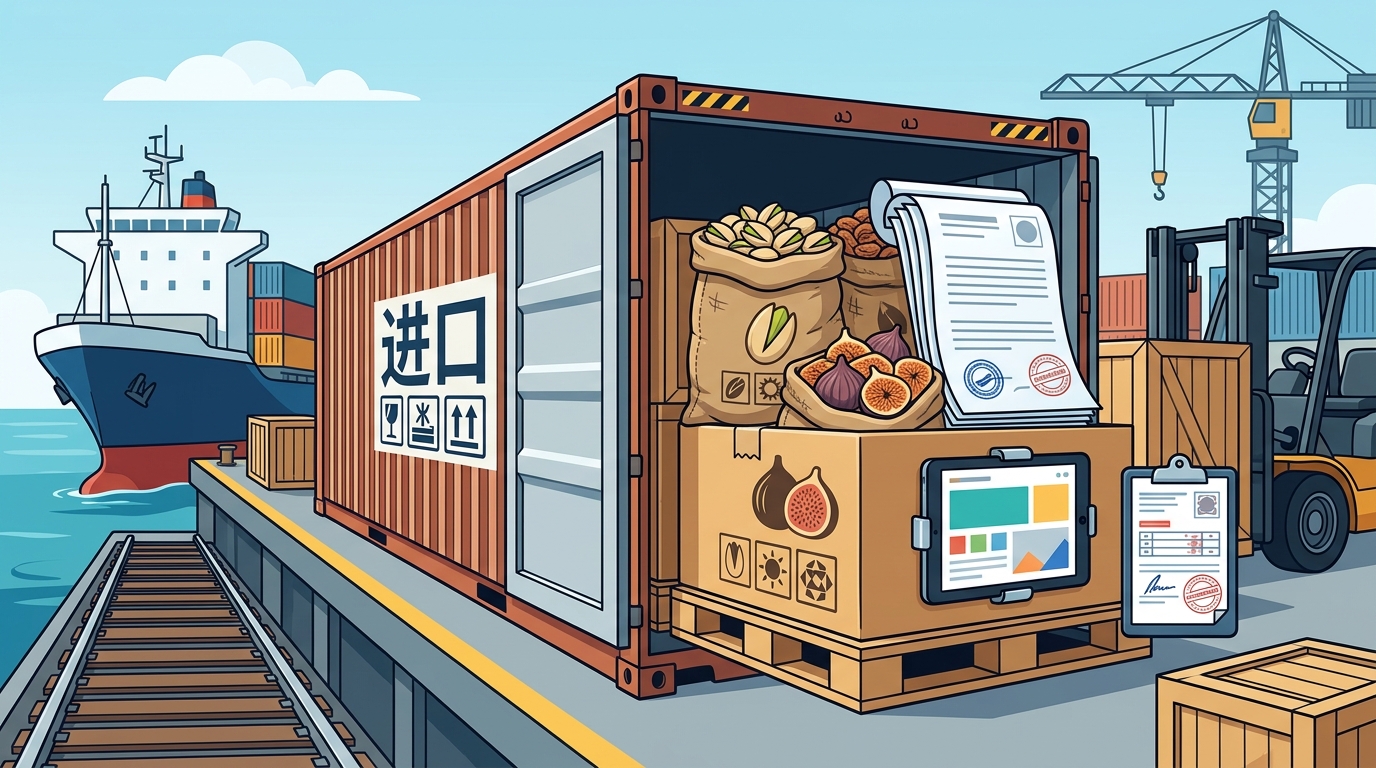
Inquire about the standard packaging formats. Iranian dried fruits are often packed in 10 kg cartons, while pistachios may be shipped in 50 kg jute sacks or vacuum cartons. Understanding the pallet configuration and container loadability is essential for calculating landed costs. For instance, a 20ft container can typically hold approximately 20 metric tons of dried fruit, floor-loaded.
How to Verify Claims and Credentials
Verification is the process of confirming that a supplier's claims about their products and certifications are accurate. Buyers should not rely solely on marketing materials.
Requesting Analysis Documents
Buyers should request current analysis documents for the specific lot being quoted. These documents provide data on moisture, foreign matter, and other quality metrics. Raiva Food provides current certification and analysis documents directly to buyers as part of the quotation process. This ensures the buyer receives the version valid on the shipment date, rather than an expired scan.
Third-Party Inspection
Pre-shipment inspection is a critical verification step. Buyers can arrange for a third-party inspection agency to verify the quantity and quality of the goods before they are loaded onto the vessel or truck. This service is available at the buyer's cost and provides an independent check on the supplier's claims.
The Procurement Process and Timeline
Understanding the sequence of events helps buyers manage expectations and plan their inventory. The process typically follows a structured workflow from inquiry to delivery.
Quotation and Proforma Invoice
The process begins with a quotation request, where the buyer specifies the product, volume, and destination. The supplier replies with a quotation and a proforma invoice. This document covers the goods, packing, terms, and included documents. It is the foundation of the commercial agreement.
Shipping and Documentation
Once the proforma invoice is accepted, the supplier prepares the shipment. Export documentation is prepared per shipment, including the phytosanitary certificate, health certificate, and certificate of origin where required by the destination market. The timeline for shipping depends on the route. Sea freight from Bandar Abbas to Chinese ports is a common method, while overland routes via truck and rail are also available.
Factors That Drive Pricing
Pricing for Iranian pistachios and dried figs is not static; it fluctuates based on several variables. Understanding these drivers helps buyers negotiate better terms.
Grade and Packing
The grade of the product is the primary cost driver. Grade 1 products command a higher price than Grade 2 or 3 due to better appearance and uniformity. Packing format also affects cost. Vacuum-packed pistachios, for example, may cost more than those in jute sacks due to the additional processing and packaging materials.
Route and Incoterms
The shipping route and the chosen Incoterms 2020 term significantly impact the final price. Sea freight is generally more cost-effective for large volumes, while overland routes may offer faster transit times for certain destinations. The price quoted will depend on whether the terms are FOB, CIF, or DDP, as each term allocates different responsibilities and costs to the buyer and seller.
Common Mistakes and How to Avoid Them
Buyers often make errors that lead to disputes or financial losses. Avoiding these common pitfalls is essential for a smooth transaction.
Ignoring Moisture Content
One of the most common mistakes is failing to specify and verify moisture content. High moisture levels can lead to mold and spoilage during long sea voyages. Buyers should insist on a maximum moisture limit in the contract and verify it through the certificate of analysis.
Vague Contract Terms
Using vague language in the contract can lead to misunderstandings. For example, specifying "high quality" without defining the grade, size, or moisture limits is problematic. Always use specific, measurable criteria in the proforma invoice.
Comparing Iranian Suppliers to Alternatives
While other countries produce pistachios and dried figs, Iranian products have distinct characteristics that appeal to the Chinese market. Comparing these options helps buyers make informed decisions.
| Feature | Iranian Pistachios | Alternative Origins |
|---|---|---|
| Flavor Profile | Distinctive, often nuttier | Varies by origin |
| HS Code | 0802.51 (In-Shell) | Varies |
| Typical Packaging | 50 kg jute sacks, 10 kg cartons | Varies |
| Export Route to China | Sea (Bandar Abbas), Overland | Varies |
Iranian dried figs, particularly those graded by diameter and color, are highly valued in China. The specific cultivars and processing methods used in Iran contribute to a unique product profile that differentiates it from other global sources.
Considerations for Specific Buyer Situations
Different buyers have different needs. A snack packer may prioritize different attributes than a bakery manufacturer.
Snack Packers
Buyers repacking for retail snacking should focus on visual appeal and uniformity. Grade 1 products with consistent size and color are preferred. They should also consider shelf life, which is typically 12 months from production for dried fruits when stored in cool, dry conditions.
Food Manufacturers
Manufacturers using dried figs and pistachios as ingredients may prioritize consistency and bulk availability. They should ensure that the supplier can provide the required volume consistently throughout the year, leveraging cold-store stock if necessary.
Regulatory Rules and Buyer Protections
International trade is governed by specific rules that protect both buyers and sellers. Understanding these rules is crucial for compliance.
Customs and HS Codes
HS codes are the six-digit World Customs Organization headings used to classify goods. Destination countries extend these to eight or ten digits under their own tariff schedules. Buyers must confirm the local code with their customs broker to ensure accurate duty assessment. Using the correct HS code is a legal requirement for import clearance.
Contractual Protections
The proforma invoice serves as a key contractual document. It details the agreed specifications, which are then restated in the sales contract. This written record provides a basis for any claims if the shipment does not meet the agreed standards.
Logistics Specifics for the China Route
The logistics of shipping from Iran to China involve specific routes and considerations. Raiva Food ships by sea from Bandar Abbas and overland through Iran's land borders.
Sea Freight
Sea freight is the most common method for shipping large volumes of dried fruits and nuts to China. The port of Bandar Abbas is a major hub for Iranian exports. Buyers should consider the transit time and the need for proper container loading to prevent damage.
Overland Routes
Overland routes via truck and rail offer an alternative for buyers seeking faster delivery or specific border crossings. These routes can be more flexible but may have different capacity constraints compared to sea freight.
Seasonal Timing and Availability
Timing is a critical factor in the procurement of agricultural products. The harvest season and storage capabilities determine availability.
Harvest Seasons
Pistachios are typically harvested in September and October. Dried figs are harvested in August and September. However, suppliers like Raiva Food supply these products from stock year-round, allowing buyers to order outside the peak harvest window. This cold-store availability provides flexibility for buyers who need consistent supply throughout the year.
Long-Term Supply Reliability
Consistency and Trust
Working with an established exporter like Raiva Food, which has been exporting since 2010, provides a level of trust and consistency that newer entrants may not offer. Long-term partnerships often lead to better pricing and priority access to high-grade products.
Key Takeaways
- Verify supplier credentials by requesting current analysis documents for the specific lot being quoted.
- Ensure all specifications, including grade, moisture, and size, are restated in writing on the proforma invoice.
- Use the correct HS codes (0802.51 for pistachios, 0804.20 for figs) to ensure smooth customs clearance.
- Consider both sea freight from Bandar Abbas and overland routes when planning logistics to China.
- Arrange for third-party pre-shipment inspection to independently verify quality and quantity.
- Understand that pricing is driven by grade, packing format, and shipping route.
- Leverage year-round stock availability to maintain consistent supply outside peak harvest seasons.
- Build long-term relationships with established exporters to ensure reliability and consistency.
Frequently Asked Questions
What is the minimum order quantity for Iranian pistachios and dried figs?
The minimum order quantity is typically 5 metric tons for dried fruits and nuts. For fresh produce, the minimum is usually one 40ft reefer container (20 MT). Buyers should confirm the specific MOQ with the supplier for their desired product and packing format.
How long does it take to ship from Iran to China?
What documents are included with the shipment?
Standard export documentation includes the commercial invoice, packing list, bill of lading, phytosanitary certificate, health certificate, and certificate of origin. The specific documents required depend on the destination market's regulations.
Can I request samples before placing a large order?
Yes, samples can be couriered on request before committing to a container. This allows buyers to evaluate the quality and suitability of the product for their specific needs.
What is the shelf life of dried figs and pistachios?
The shelf life is typically 12 months from production when stored in cool, dry, and dark conditions. Proper storage is essential to maintain quality and prevent spoilage.
How does Raiva Food handle quality control?
Raiva Food controls quality at every stage, including selection and grading at harvest, sorting and cleaning before packing, and inspection before loading. They are working toward ISO 9001 certification to formalize their Quality Management System.
Conclusion
Choosing the right supplier for Iranian pistachios and dried figs is a critical decision for buyers in China. By focusing on verifiable quality documentation, transparent contractual terms, and reliable logistics, buyers can mitigate risks and ensure a successful procurement process. Raiva Food, with its established presence in the export market since 2010, offers a robust framework for international buyers. To plan your visit or discuss your requirements, for a detailed quotation and proforma invoice.