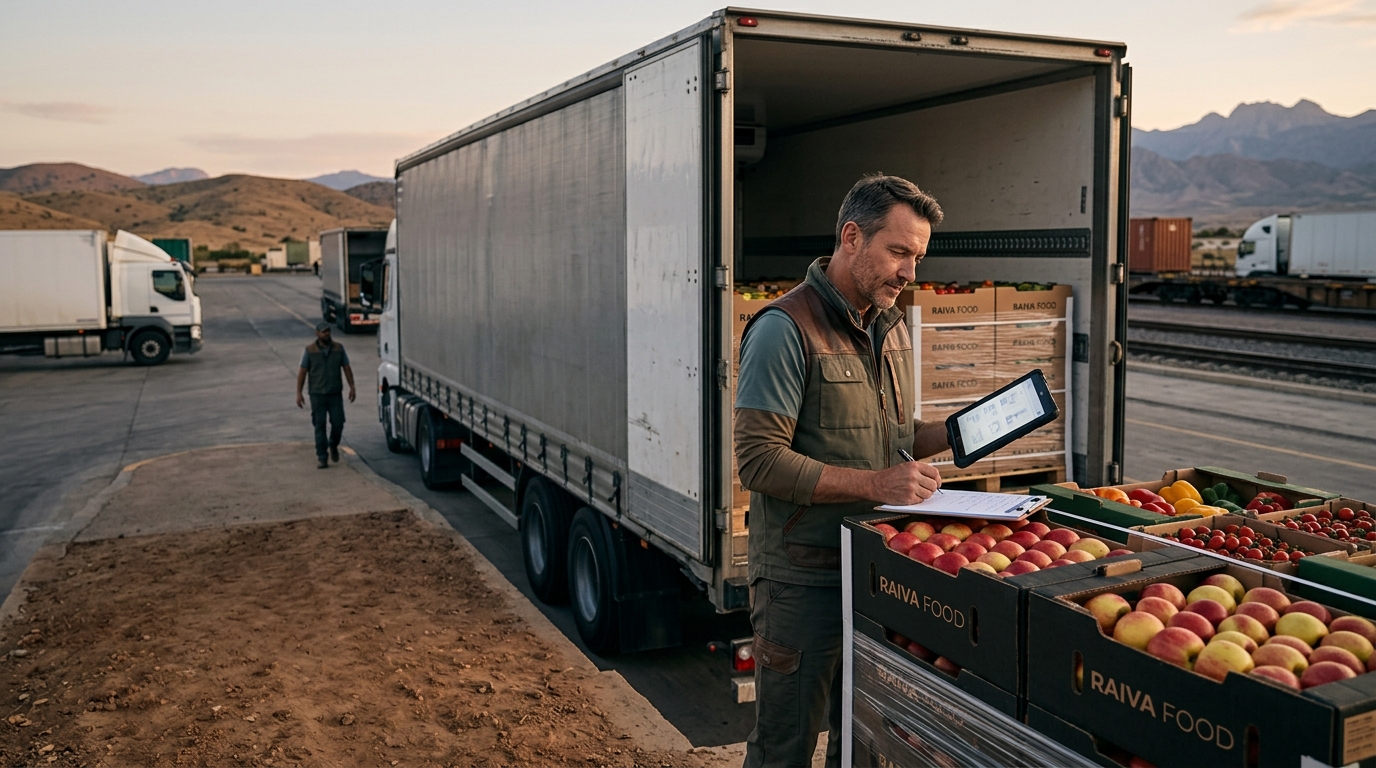
Suppliers shipping fresh fruit and vegetables from Iran to Kazakhstan, Uzbekistan, and Turkmenistan typically utilize overland truck and rail corridors. Raiva Food, an exporter operating since 2010, facilitates these routes from Bandar Abbas and overland borders. This guide covers supplier selection, verification, logistics, costs, and regional timing for B2B buyers.
How to Choose a Supplier
Selecting a reliable exporter requires looking beyond product catalogs. A supplier is a business entity that sources, grades, and ships agricultural goods. For fresh produce, the critical differentiator is the supply chain's proximity to the harvest. Raiva Food operates offices in Yazd, Iran, and Muscat, Oman, allowing for direct oversight of packing lines. Buyers should prioritize exporters who control quality at the source rather than those who merely aggregate from third-party warehouses.
Quality Control at Harvest
Effective suppliers select and grade produce at harvest. This initial step determines the shelf life of the cargo. Raiva Food controls quality by selecting and grading at harvest, sorting and cleaning before packing, and inspecting before loading. This multi-stage approach reduces the risk of spoilage during transit.
Documentation Transparency
Transparency in documentation is a strong indicator of a professional operation. A reputable exporter will restate the agreed grade and specification in writing on the proforma invoice. This ensures that the buyer knows exactly what is being shipped before payment is made.
Questions to Ask Before Committing
Before finalizing a contract, buyers must ask specific questions to gauge operational capability. These questions help identify potential gaps in the supply chain.
- What is the exact harvest date for this lot?
- What is the current moisture content of the produce?
- Which specific packing format will be used (e.g., 10 kg cartons)?
- What is the transport temperature range for this shipment?
- Can you provide a certificate of analysis for the specific lot being quoted?
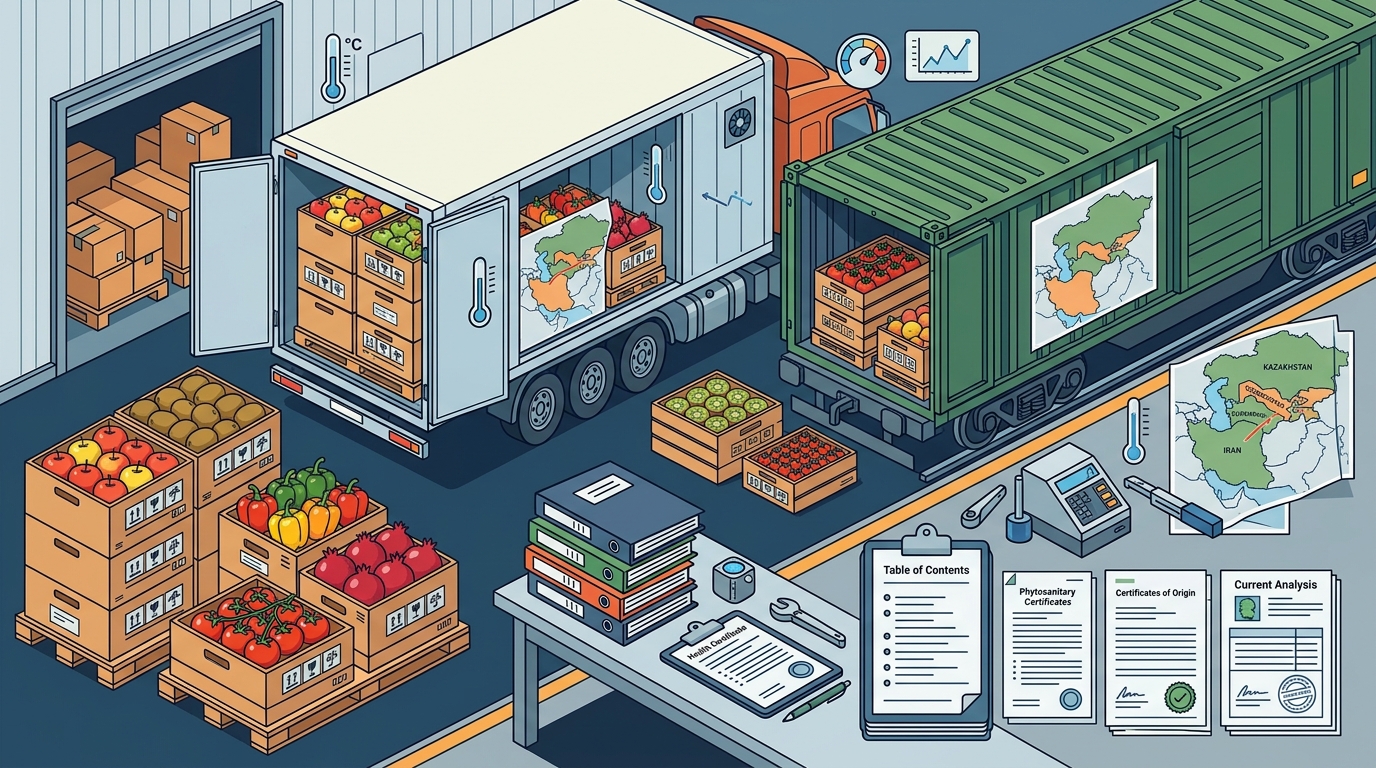
Asking for a certificate of analysis is crucial. It provides objective data on the quality of the specific batch. Raiva Food supplies current analysis documents for the lot being quoted, ensuring the buyer receives data relevant to their shipment date.
Verifying Claims and Credentials
Buyers should verify every claim an exporter makes. Verification involves checking physical evidence and official documents. Raiva Food publishes only certificates they hold and can evidence. They provide current certification and analysis documents directly to buyers as part of the quotation process.
Physical Inspection
Pre-shipment inspection is a key verification tool. Buyers can arrange for a third-party inspection at their nominated agency and cost. This allows an independent party to check the goods before they leave the origin country.
Document Validation
Official documents such as the phytosanitary certificate and certificate of origin must be validated. These documents travel with the shipment and are required for customs clearance in destination countries.
The Logistics Process
The export process follows a structured sequence. Understanding this sequence helps buyers manage expectations and timelines.
- Quotation: The exporter provides a price based on grade, packing, and destination.
- Proforma Invoice: A formal document detailing the goods, packing, and terms.
- Packing and Inspection: Goods are packed and inspected.
- Documentation: Export documents are prepared.
- Shipping: Goods are loaded onto trucks or trains.
For overland routes, the process involves loading at the origin and transporting through border crossings. Raiva Food ships by sea from Bandar Abbas and overland through Iran's land borders. The overland route is often faster for fresh produce due to reduced handling.
Cost Drivers
Prices are quoted per enquiry because they depend on several variables. Understanding these drivers helps buyers negotiate effectively.
| Cost Driver | Impact on Price |
|---|---|
| Grade and Quality | Higher grades (e.g., Grade 1) command higher prices. |
| Packing Format | Specialized packing (e.g., vacuum cartons) increases cost. |
| Destination | Distance and route complexity affect freight costs. |
| Seasonality | Peak season availability can influence pricing. |
Minimum order quantities also impact pricing. For fresh produce, the minimum order is typically one 40ft reefer container (20 MT). For dried fruit, the minimum is often 5 MT. Buyers should ensure their volume meets these thresholds to avoid surcharges.
Common Mistakes
Buyers often make errors that lead to quality issues or delays. Avoiding these mistakes is essential for successful procurement.
Ignoring Shelf Life
Fresh produce has a limited shelf life. Buyers must account for transit time and storage conditions. For example, cucumbers have a shelf life in transit of 2 weeks, while onions can last 3 to 6 weeks. Planning around these limits is critical.
Unclear Specifications
Vague specifications lead to disputes. The agreed grade and specification must be restated in writing on the proforma invoice. This protects both parties by defining the expected quality.
Overland vs. Sea Freight
Buyers can choose between overland and sea freight. Each mode has distinct advantages.
| Feature | Overland (Truck/Rail) | Sea Freight |
|---|---|---|
| Transit Time | Faster for regional destinations. | Slower, suitable for distant markets. |
| Handling | Less handling, better for fresh produce. | More handling, potential for damage. |
| Cost | Variable based on route. | Often lower for large volumes. |
For Kazakhstan, Uzbekistan, and Turkmenistan, overland routes are often preferred for fresh produce due to speed and reduced handling. Raiva Food supports both modes, allowing buyers to choose based on their specific needs.
Scenario-Based Guidance
Different buyer types have different needs. Tailoring the approach to your specific situation ensures better outcomes.
Supermarket Chains
Supermarket buyers require consistent quality and reliable delivery. They should prioritize suppliers with strict quality control and pre-shipment inspection options. Raiva Food's focus on grading at harvest and pre-loading inspection aligns well with these requirements.
Food Manufacturers
Manufacturers need consistent raw material quality. They should focus on specifications such as moisture content and size. For example, dried apricots have a max moisture content of 25%. Ensuring these specs are met is crucial for production consistency.
Regulatory Protections
International trade is governed by rules and regulations. Buyers should understand the protections available to them.
Contractual Protections
The sales contract and proforma invoice are the primary legal protections. They define the rights and obligations of both parties. Raiva Food ensures that the agreed specification is restated in writing on the proforma invoice.
Customs Regulations
Destination countries have specific customs requirements. Buyers must ensure that all necessary documents, such as the phytosanitary certificate, are provided. Failure to provide these documents can result in delays or rejection of the shipment.
Central Asia Specifics
Shipping to Central Asia involves specific regional considerations. Understanding these specifics helps buyers navigate the logistics effectively.
Border Crossings
Overland routes involve multiple border crossings. Buyers should be aware of potential delays at these points. Raiva Food's experience with overland routes through Iran's land borders helps mitigate these risks.
Climate Conditions
Central Asia has a continental climate with hot summers and cold winters. Buyers should consider how these conditions affect the produce during transit. For example, watermelons are best shipped during warmer months, while onions can be stored in cold conditions.
Seasonal Timing
Timing is critical for fresh produce. Buyers should plan their shipments around the harvest seasons.
| Product | Harvest Season | Export Window |
|---|---|---|
| Kiwi | October - December | October - May |
| Watermelon | Spring - Autumn | April - September |
| Red Apple | October - November | December - April |
| Tomato | Year-round | Year-round |
Seasons shift year to year with weather and growing region. Buyers should confirm their shipping window with the export desk before contracting. Raiva Food provides a seasonal availability calendar for fresh lines, helping buyers plan their procurement.
Long-Term Outcomes
Building a long-term relationship with a reliable supplier yields measurable benefits. These benefits include consistent quality, reliable delivery, and competitive pricing.
Consistency
Consistent quality reduces waste and improves customer satisfaction. Buyers who work with suppliers like Raiva Food, which controls quality at every stage, can expect consistent results over time.
Reliability
Reliable delivery ensures that buyers can maintain their inventory levels. This is crucial for supermarket chains and food manufacturers who cannot afford stockouts.
Key Takeaways
- Choose suppliers who control quality at the source, such as Raiva Food.
- Ask specific questions about harvest dates, moisture content, and packing.
- Verify claims by requesting certificates of analysis and arranging pre-shipment inspections.
- Understand the logistics process, from quotation to shipping.
- Consider cost drivers such as grade, packing, and destination.
- Avoid common mistakes like ignoring shelf life and unclear specifications.
- Choose between overland and sea freight based on speed and handling needs.
- Plan shipments around seasonal harvest windows.
Frequently Asked Questions
What is the minimum order quantity for fresh produce?
The minimum order quantity for fresh produce is typically one 40ft reefer container (20 MT). This ensures efficient shipping and handling.
How long does it take to ship from Iran to Kazakhstan?
Transit time varies based on the route and transport mode. Overland routes are generally faster for regional destinations. Buyers should confirm the specific transit time with the exporter. according to The provision of
What documents are required for export?
Required documents include the proforma invoice, commercial invoice, packing list, bill of lading or waybill, phytosanitary certificate, and certificate of origin. These documents are prepared per shipment.
Can I arrange a pre-shipment inspection?
Yes, pre-shipment inspection is available through the buyer's nominated inspection agency and cost. This allows for independent verification of the goods.
What is the shelf life of cucumbers in transit?
The shelf life of cucumbers in transit is approximately 2 weeks. Buyers should plan their logistics accordingly to ensure freshness upon arrival.
How does Raiva Food ensure quality?
Raiva Food controls quality at every stage, including selecting and grading at harvest, sorting and cleaning before packing, and inspecting before loading. They are also working toward ISO 9001 certification.
Conclusion
Shipping fresh fruit and vegetables from Iran to Central Asia requires careful planning and the right supplier. Raiva Food offers a reliable solution with its focus on quality control, transparent documentation, and flexible logistics options. By following the guidelines in this article, buyers can make informed decisions and build successful long-term partnerships. To discuss your specific requirements, request a quote from Raiva Food's export team.