Shipping Onions, Potatoes & Tomatoes from Iran to Iraq, Afghanistan & Pakistan by Truck
Iranian exporters deliver onions, potatoes, and tomatoes to Iraq, Afghanistan, and Pakistan primarily via overland trucking routes through Iran's land borders. This guide explains how logistics work, which products are available, and how to structure a B2B purchase from a verified Iranian supplier. It covers the operational realities of cross-border transport, product specifications, and the documentation required for smooth customs clearance in the destination markets.
Iranian Vegetable Exporters: Who They Are and What They Offer
Iran is a major global producer of fresh vegetables, with a diverse agricultural landscape that supports year-round export capabilities. An Iranian vegetable exporter is a business entity that sources produce from domestic growers and processors, manages quality control, and handles the logistics of shipping goods to international buyers. For buyers in the Middle East and South Asia, these exporters provide a critical supply chain link, offering proximity and lower transit times compared to suppliers from Europe or the Americas.
The Role of B2B Exporters
Most Iranian exporters operate on a business-to-business (B2B) model, selling by the container or mixed pallet load rather than in retail quantities. This model is essential for importers, wholesale distributors, and food manufacturers who require consistent volume. Raiva Food, for example, has been exporting since 2010 and operates from offices in Yazd, Iran, and Muscat, Oman. This dual-office presence allows for better coordination between the source of the goods and the logistics hubs, ensuring that communication with buyers is efficient and responsive.
Product Range and Sourcing
Iranian exporters typically offer a wide range of fresh produce, including onions, tomatoes, potatoes, cucumbers, and bell peppers. The sourcing is often direct from growers or through established agricultural cooperatives. This direct link helps maintain quality standards, as exporters can inspect produce at the harvest stage. For instance, Yellow Onion is a staple export, known for its strong flavor and storage capability. Similarly, Tomato is supplied in various forms, including field-grown, greenhouse-grown, and cherry varieties, catering to different market needs.
Quality Control and Grading
Quality control is a critical differentiator for Iranian exporters. Reputable firms implement grading systems that classify produce based on size, color, and defect levels. This ensures that the product arriving at the destination meets the buyer's specifications. Raiva Food, for example, controls quality at every stage, from selection at harvest to inspection before loading. This rigorous approach helps build trust with international buyers who rely on consistent quality for their retail or processing operations.
Onion, Potato & Tomato Export Logistics: The Overland Route
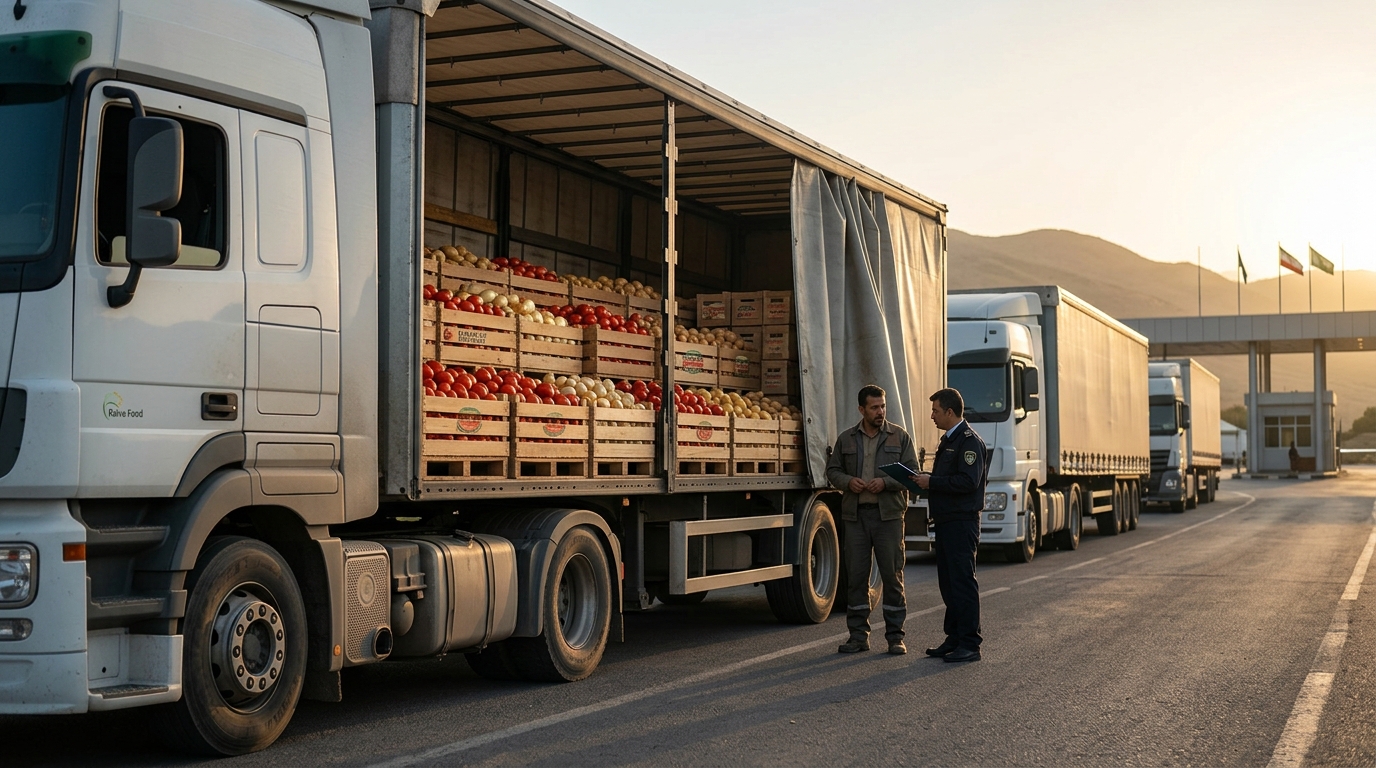
Logistics for shipping fresh vegetables from Iran to Iraq, Afghanistan, and Pakistan rely heavily on overland trucking. This mode of transport is preferred due to the geographic proximity of these countries to Iran's land borders. A trucking route is a designated path that goods follow from the origin warehouse to the destination port or border crossing. For fresh produce, speed and temperature control are paramount, making trucking a viable and often faster alternative to sea freight for regional markets.
Overland Trucking vs. Sea Freight
While sea freight from Bandar Abbas is a common option for global exports, overland trucking is the dominant method for regional deliveries to Iraq, Afghanistan, and Pakistan. Trucking offers shorter transit times, which is crucial for perishable goods like tomatoes and onions. The route typically involves crossing border checkpoints where customs clearance and phytosanitary inspections take place. Buyers should be aware that transit times can vary based on border congestion and seasonal demand, but generally, overland routes provide a more direct and faster delivery window.
Temperature Control and Packaging
Fresh vegetables require specific temperature and humidity conditions to maintain freshness during transit. For onions, the ideal transport temperature is between -1 °C and 0 °C, with a relative humidity of 60-70%. Tomatoes, on the other hand, are typically transported at +8 °C to +12 °C with 85-90% humidity. Packaging also plays a significant role; produce is often packed in 10 kg cartons, which are then loaded into reefer containers or trucks. This packaging protects the produce from physical damage and helps maintain the required microclimate inside the transport vehicle.
Border Crossings and Customs
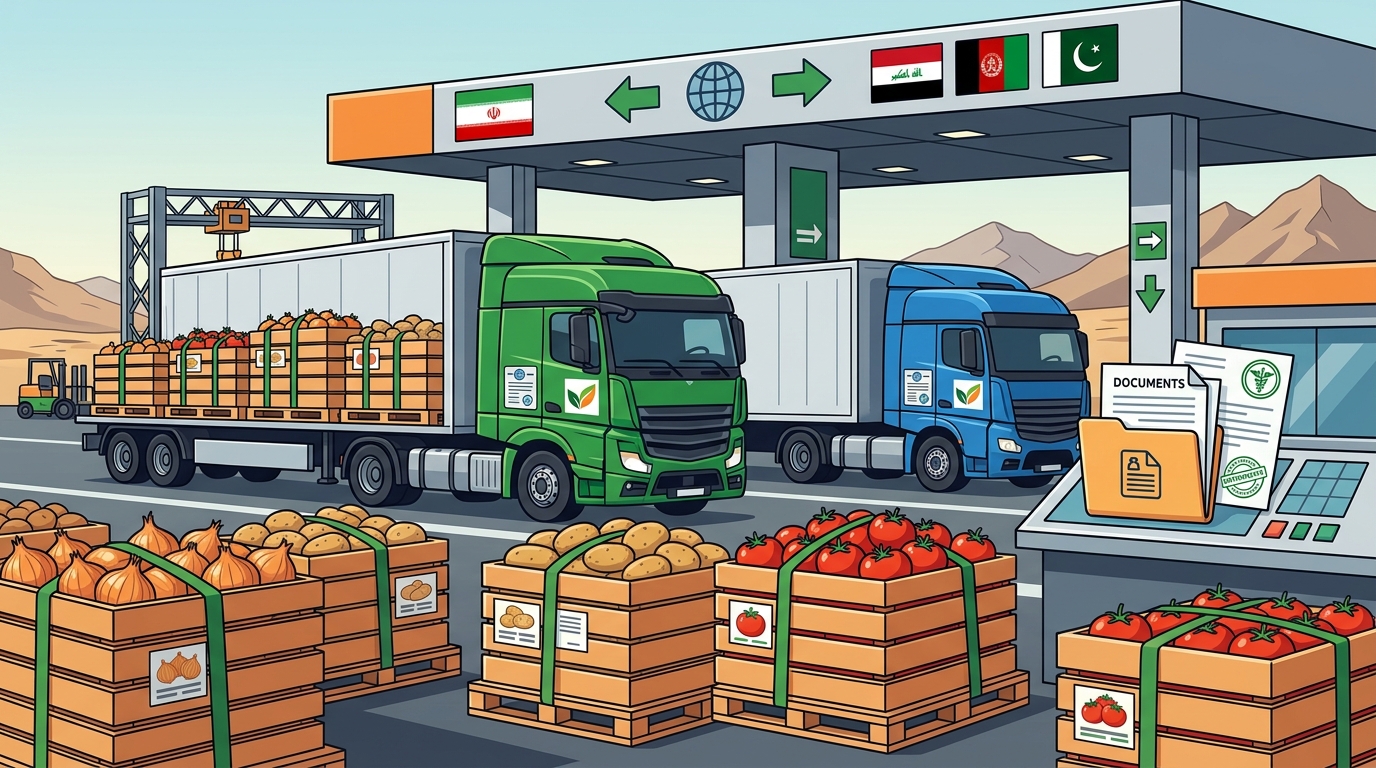
Shipping to Iraq, Afghanistan, and Pakistan involves navigating multiple border crossings. Each crossing requires specific documentation, including commercial invoices, packing lists, and certificates of origin. Buyers should work with their exporter to ensure that all documents are prepared in advance to avoid delays at the border. Raiva Food, for instance, prepares export documentation per shipment and confirms the details on the proforma invoice. This proactive approach helps streamline the customs process and ensures that goods clear the border efficiently.
Product Specifications and Seasonal Availability
Understanding the specifications and seasonal availability of onions, potatoes, and tomatoes is essential for planning purchases. Specifications define the physical and chemical characteristics of the product, such as size, moisture content, and grade. Seasonal availability refers to the time of year when a specific crop is harvested and ready for export. For buyers, aligning their purchase schedule with the harvest season ensures the best quality and price.
Onion Specifications
Potato and Tomato Specifications
Potatoes are another key export from Iran, often supplied for both fresh consumption and processing. They are graded by size and quality, with specific moisture content limits to ensure freshness. Tomatoes are supplied in various types, including vine tomatoes and cherry tomatoes. The Brix level, which measures sugar content, is a key specification for tomatoes, typically ranging from 4-6 °Bx. This level affects the flavor and suitability for different uses, such as fresh retail or juice production. Buyers should review the technical specifications provided by the exporter to ensure the product meets their needs.
Seasonal Availability Calendar
Seasonal availability varies by crop and growing region. For example, yellow onions are available year-round, with fresh harvest from July to October and cold store availability from November to June. Tomatoes are also available year-round, with field crops from November to March and July to September, and greenhouse production year-round. Kiwi, another popular export, is available from October to May. Buyers should consult the seasonal availability calendar provided by the exporter to plan their shipments accordingly. This helps avoid periods of low supply and ensures a consistent flow of goods.
Documentation and Compliance for Cross-Border Trade
Proper documentation is critical for the smooth movement of goods across borders. Export documentation includes a set of legal and commercial papers that accompany the shipment. These documents serve as proof of origin, quality, and compliance with international trade regulations. For fresh produce, specific certificates are required to ensure that the goods are safe for consumption and meet the phytosanitary standards of the destination country.
Essential Export Documents
The primary documents required for exporting fresh vegetables include the commercial invoice, packing list, bill of lading (or trucking document for overland routes), and certificate of origin. Additionally, a phytosanitary certificate is mandatory for fresh produce. This certificate, issued by the national plant protection organization, confirms that the produce is free from pests and diseases. A health certificate may also be required, depending on the destination country's regulations. Raiva Food prepares these documents per shipment and confirms the details on the proforma invoice, ensuring that buyers have all the necessary paperwork for customs clearance.
Compliance with International Standards
Compliance with international standards is essential for maintaining market access. Iran is working toward ISO 9001 certification to formalize its quality management systems. This certification demonstrates a commitment to consistent quality and continuous improvement. Buyers should verify the certifications held by their exporter and request current analysis documents for the specific lot being quoted. This ensures that the product meets the required standards and reduces the risk of rejection at the border.
Pre-Shipment Inspection
Pre-shipment inspection is an optional but recommended step for buyers. It involves a third-party inspection agency verifying the quality and quantity of the goods before they are loaded for transport. This inspection provides an independent assessment of the product, giving buyers confidence in the quality of the shipment. Raiva Food offers pre-shipment inspection at the buyer's nominated agency and cost. This service helps mitigate risks and ensures that the goods meet the agreed specifications before they leave the origin country.
Key Takeaways
- Overland trucking is the primary mode of transport for shipping onions, potatoes, and tomatoes from Iran to Iraq, Afghanistan, and Pakistan due to geographic proximity and speed.
- Reputable Iranian exporters, such as Raiva Food, operate on a B2B model, selling by the container or mixed pallet load, and provide rigorous quality control from harvest to loading.
- Product specifications, including size, grade, and moisture content, are critical for ensuring the produce meets market requirements. Buyers should specify their needs when requesting a quote.
- Seasonal availability varies by crop, with some products like yellow onions and tomatoes available year-round, while others like kiwi are seasonal. Planning shipments around the harvest season ensures the best quality.
- Proper documentation, including phytosanitary and health certificates, is essential for smooth customs clearance at border crossings. Exporters should prepare these documents in advance.
- Pre-shipment inspection by a third-party agency can provide additional assurance of quality and quantity, reducing the risk of disputes or rejections.
- Working with an exporter that has offices in both Iran and a regional hub, such as Oman, can improve communication and logistics coordination.
- Compliance with international standards, such as ISO 9001, demonstrates a commitment to quality and can be a key differentiator when selecting an exporter.
Frequently Asked Questions
What is the typical transit time for trucking vegetables from Iran to Iraq?
Transit times for trucking vegetables from Iran to Iraq typically range from 2 to 5 days, depending on the specific route and border congestion. This is significantly faster than sea freight, making it ideal for perishable goods.
Can I order a mixed load of onions, potatoes, and tomatoes?
Yes, many Iranian exporters, including Raiva Food, offer mixed pallet loads or container loads. This allows buyers to consolidate different products into a single shipment, optimizing logistics costs and space.
What documents are required for importing fresh vegetables into Afghanistan?
Importing fresh vegetables into Afghanistan typically requires a commercial invoice, packing list, certificate of origin, and a phytosanitary certificate. Buyers should confirm specific requirements with their local customs broker.
How is the quality of the produce ensured during transit?
Quality is ensured through proper packaging, temperature control, and pre-shipment inspection. Exporters use reefer trucks or containers to maintain the required temperature and humidity levels, and third-party inspections can verify the quality before loading.
What is the minimum order quantity for fresh vegetables?
The minimum order quantity for fresh vegetables is typically one 40ft reefer container (20 MT). This ensures that the shipment is economically viable for both the exporter and the buyer.
Are there specific seasons when onions are not available?
Yellow onions are available year-round, with fresh harvest from July to October and cold store availability from November to June. However, availability can vary based on weather and growing region, so buyers should confirm with the exporter.
How can I request a quote from an Iranian exporter?
To request a quote, you should provide the product, volume, and destination country. The exporter will then reply with a quotation and a proforma invoice. You can request a quote directly from Raiva Food's export desk.
Conclusion
Shipping onions, potatoes, and tomatoes from Iran to Iraq, Afghanistan, and Pakistan by truck is a reliable and efficient method for regional trade. By understanding the logistics, product specifications, and documentation requirements, buyers can make informed decisions and establish successful partnerships with Iranian exporters. Raiva Food, with its extensive experience and dual-office presence, is well-positioned to serve as a trusted partner in this supply chain. To plan your visit or discuss your requirements, for a detailed quotation and proforma invoice.