
Shipping Fresh Produce from Iran to Central Asia by Truck and Rail
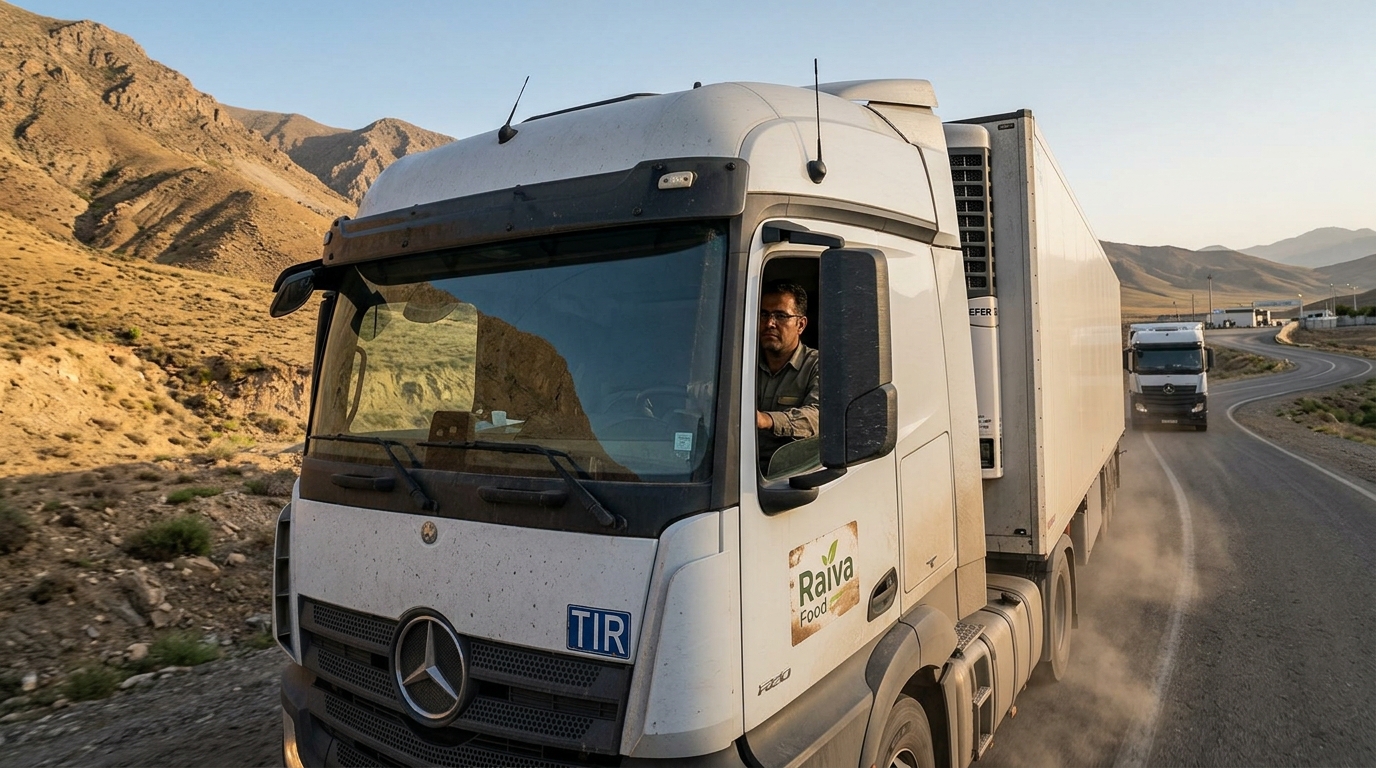
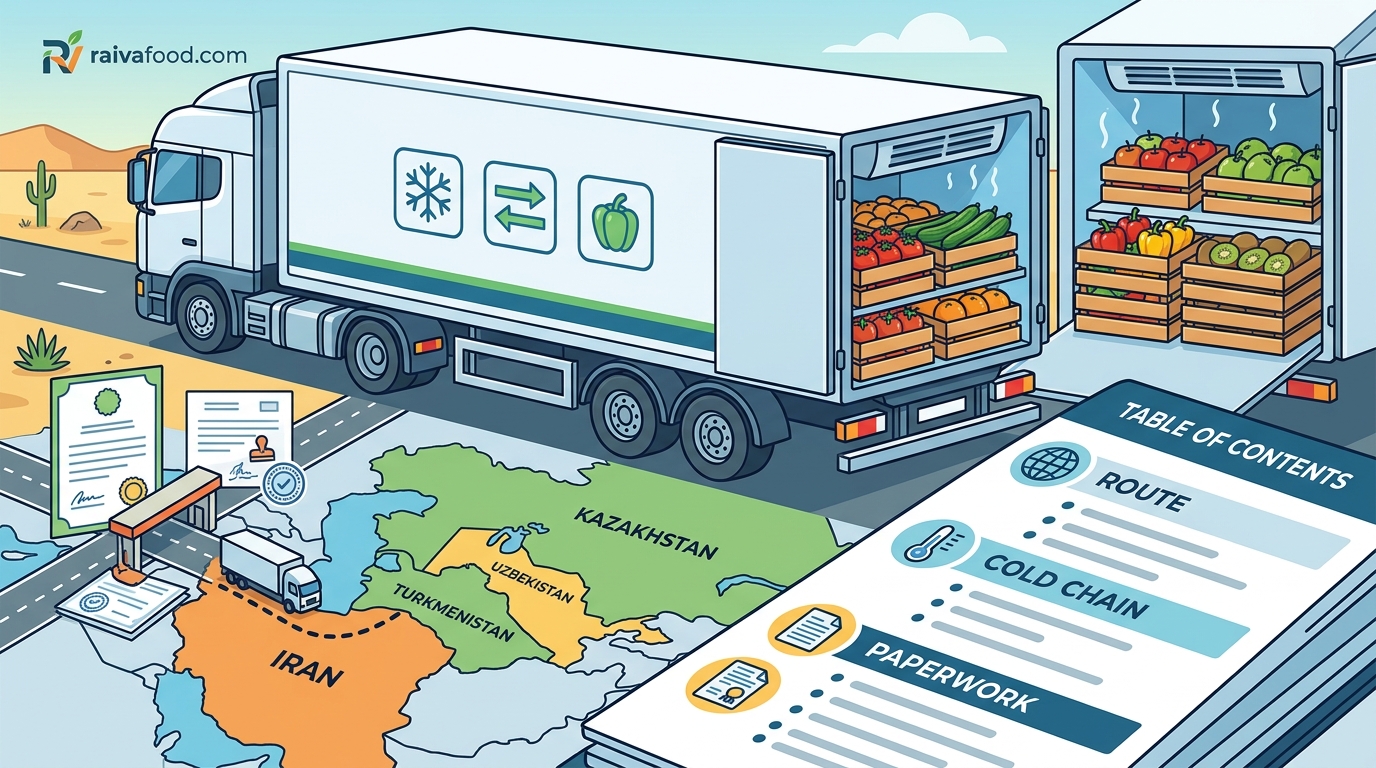
Suppliers like Raiva Food ship fresh fruit and vegetables from Iran to Kazakhstan, Uzbekistan, and Turkmenistan using overland truck and rail routes. This guide covers border crossing logistics, cold chain management, and documentation requirements for B2B importers. It explains how to select reliable exporters and manage the supply chain efficiently.
Border Crossing Logistics
Overland transport is the primary method for moving fresh produce from Iran to Central Asian markets. The route typically involves trucking from Iranian production hubs to border crossings. Rail transport offers an alternative for larger volumes, connecting key logistics hubs. Understanding these routes is critical for planning delivery windows.
Truck Routes and Border Crossings
Truck transport provides flexibility for door-to-door delivery. Vehicles cross from Iran into Turkmenistan, Uzbekistan, and Kazakhstan at designated border points. Transit times vary based on the specific destination and border processing speeds. Importers should account for potential delays at customs checkpoints.
Rail Transport Options
Rail freight is suitable for bulk shipments of durable produce. Trains connect Iranian rail networks with Central Asian lines. This mode can be more cost-effective for large container loads. However, it requires coordination with rail operators for scheduling.
Cold Chain Management
Maintaining the cold chain is essential for preserving the quality of fresh fruit and vegetables. Temperature control must be consistent from harvest to final delivery. Breaks in the cold chain can lead to spoilage and financial loss. Exporters must use reefer containers or trucks with reliable cooling systems.
Temperature Requirements
Different produce items require specific temperature ranges. Leafy greens and berries need colder temperatures than root vegetables. The exporter must set the correct temperature for each product type. Monitoring devices should be used to track conditions during transit.
Humidity Control
Relative humidity is another critical factor in produce preservation. High humidity prevents wilting, while low humidity can cause dehydration. Proper packaging helps maintain the right humidity levels inside the container. Exporters should use packaging that balances ventilation and moisture retention.
Documentation and Compliance
Accurate documentation is required for customs clearance in Central Asian countries. Exporters must provide certificates of origin, phytosanitary certificates, and commercial invoices. Errors in documentation can cause significant delays at the border. Working with an experienced exporter ensures all paperwork is correct.
Essential Export Documents
The phytosanitary certificate confirms the produce is free from pests. The certificate of origin verifies the country of production. Commercial invoices detail the value and description of the goods. These documents must match the physical shipment exactly.
Customs Clearance in Central Asia
Each Central Asian country has its own customs regulations. Importers should be familiar with the specific requirements of their destination. Pre-clearance of documents can speed up the process. Having a local agent in the destination country can help resolve issues quickly.
Selecting a Reliable Supplier
Choosing the right supplier is crucial for a successful import operation. The supplier must have experience with the specific routes and products. They should offer transparent communication and reliable quality control. Raiva Food, for example, has been exporting from Iran since 2010 and manages quality at every stage.
Quality Control Measures
Reputable exporters implement strict quality control protocols. This includes grading at harvest, sorting before packing, and inspection before loading. Buyers should request samples or visit facilities if possible. Clear communication about grading standards is essential.
Communication and Support
Key Takeaways
- Overland truck and rail are the primary transport modes for fresh produce from Iran to Central Asia.
- Cold chain integrity is critical; temperature and humidity must be monitored throughout transit.
- Accurate documentation, including phytosanitary and origin certificates, is mandatory for customs clearance.
- Select suppliers with proven experience in the specific routes and products you import.
- Quality control measures, such as grading and inspection, should be verified before contracting.
- Clear communication and regular shipment updates are essential for a smooth import process.
- Consider suppliers with multi-country offices for better logistical support.
- Plan for potential delays at border crossings by building buffer time into your schedule.
Frequently Asked Questions
What is the typical transit time from Iran to Kazakhstan by truck?
Transit times vary, but truck transport typically takes several days to a week depending on the route and border processing.
Can rail transport be used for fresh produce?
Yes, rail transport is suitable for bulk shipments of durable produce, provided reefer containers are used.
What documents are required for importing fresh produce into Uzbekistan?
Standard documents include a commercial invoice, packing list, certificate of origin, and phytosanitary certificate.
How does Raiva Food ensure quality control?
Raiva Food controls quality at every stage, including selecting and grading at harvest, sorting before packing, and inspecting before loading.
What is the advantage of using a supplier with offices in multiple countries?
Are there specific temperature requirements for different produce?
Yes, different produce items require specific temperature ranges to maintain freshness and prevent spoilage.
Conclusion
Shipping fresh fruit and vegetables from Iran to Central Asia requires careful planning and reliable partners. By understanding border logistics, cold chain requirements, and documentation needs, importers can ensure a successful supply chain. Raiva Food offers a comprehensive solution for B2B buyers, with expertise in overland routes and strict quality controls. To discuss your requirements, request a quote from our export team.