Which Iranian Exporters Deliver Onions, Potatoes, and Tomatoes to Iraq, Afghanistan, and Pakistan by Truck?
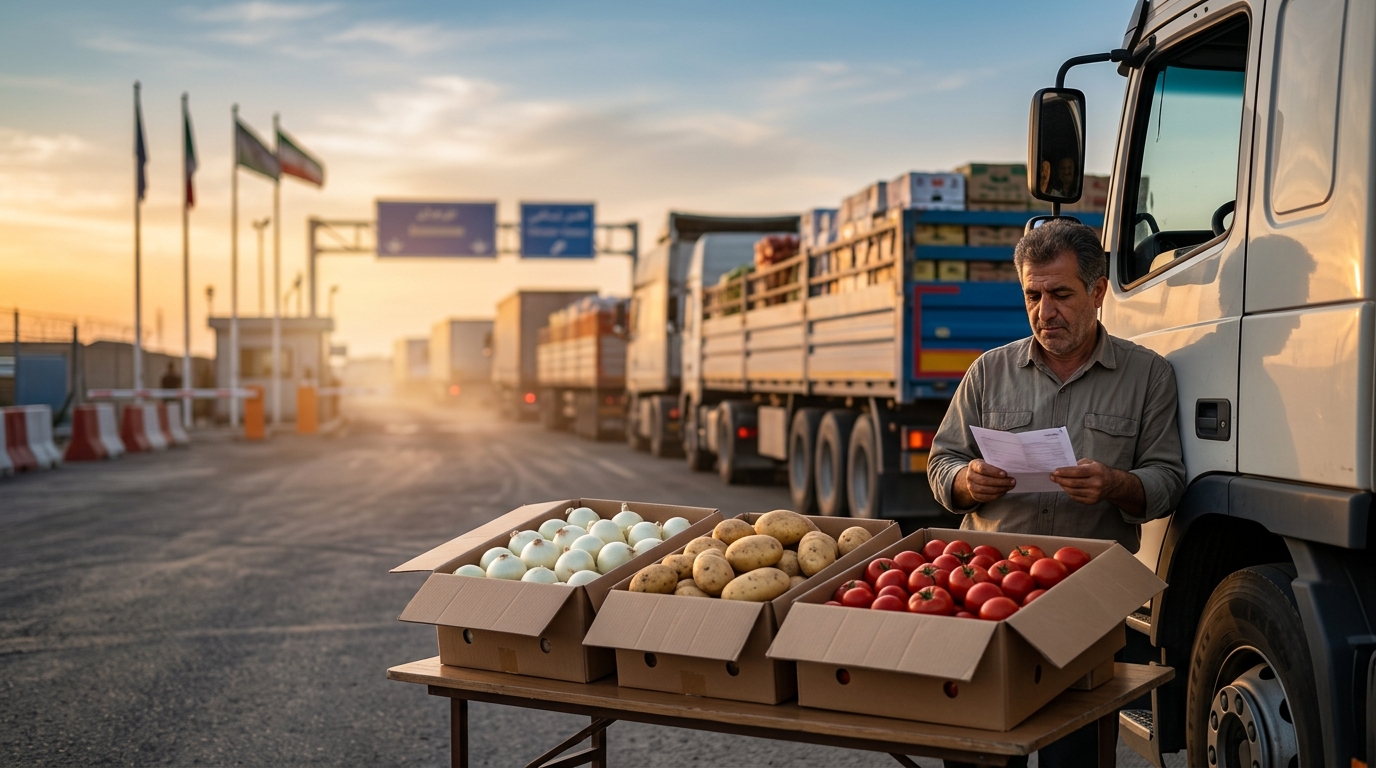
Iranian exporters deliver onions, potatoes, and tomatoes to Iraq, Afghanistan, and Pakistan by truck through overland routes from Iran's land borders. This guide explains how to select a reliable B2B supplier, verify their logistics capabilities, and manage the specific risks of cross-border fresh produce transport. We cover the operational workflow, cost drivers, and regulatory requirements for importing these agricultural goods into the Middle East and Central Asia.
How to Choose a Reliable Exporter
Selecting the right partner for fresh produce requires looking beyond product catalogs. A reliable exporter must demonstrate control over the entire supply chain, from harvest to border crossing. You need a supplier who understands the specific shelf-life constraints of onions, potatoes, and tomatoes when transported by road.
Operational Control and Infrastructure
Look for exporters with established offices in both the origin country and a strategic hub. For example, Raiva Food operates from Yazd, Iran, and maintains an office in Muscat, Oman. This dual-presence model allows for better coordination of overland logistics and documentation. The ability to manage the supply chain from the source ensures that grading and packing happen under direct supervision.
Product Specialization
Not all exporters specialize in the same crops. Ensure the supplier has a dedicated line for the specific vegetables you need. White Onion, Potato, and Tomato are core products for many Iranian exporters. Check if they offer these items in the specific grades and pack sizes required for your market. A supplier who treats these as niche items may lack the volume consistency needed for regular truck shipments.
What to Ask Before Committing
Before signing a contract, you must clarify the logistical and commercial terms. The answers to these questions will determine if the exporter can actually deliver to your destination by truck.
Logistics and Routing
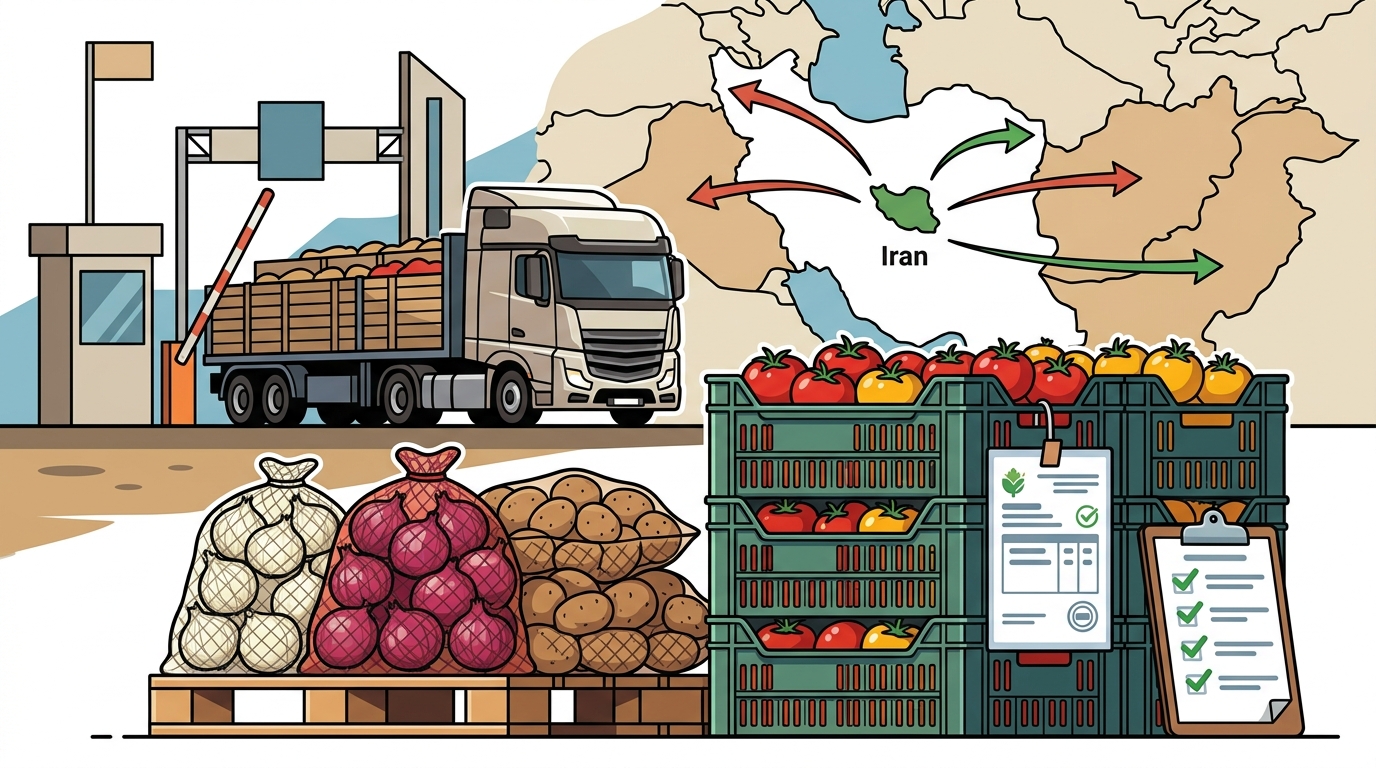
Ask specifically about the route. Does the exporter ship by sea from Bandar Abbas, or do they have established overland routes by truck and rail? Raiva Food ships by sea from Bandar Abbas and overland by truck and rail through Iran's land borders. Confirm if they have direct trucking partners for Iraq, Afghanistan, and Pakistan. Ask about the transit time for each route. Overland trucking is faster than sea freight but requires precise border coordination.
Documentation and Compliance
Ask what documents they provide. You need a phytosanitary certificate, health certificate, and certificate of origin. Confirm if they can issue these documents for the specific destination country. Also, ask about the Incoterms. Are they quoting FOB, CIF, or DAP? For overland trucking, DAP (Delivered at Place) is often preferred to ensure the goods arrive at your specific warehouse or border point.
How to Verify Claims and Credentials
Verifying an exporter's capabilities is crucial to avoid fraud and supply chain disruptions. Do not rely solely on marketing materials. Use the following methods to validate their claims.
Requesting Technical Specifications
Ask for a technical specification sheet for the specific lot you are buying. Raiva Food provides technical specifications that are confirmed per contract and restated on the proforma invoice. This written confirmation protects you by ensuring the grade and quality you pay for are the grade and quality you receive. If an exporter refuses to put specifications in writing, walk away.
Checking Quality and Compliance
Review the exporter's quality control processes. Do they inspect goods before loading? Raiva Food controls quality at every stage, including selecting and grading at harvest, sorting and cleaning before packing, and inspecting before loading. They are working toward ISO 9001 certification to formalize this into a documented Quality Management System. This level of process control is a strong indicator of reliability.
How the Overland Logistics Process Works
Understanding the step-by-step process helps you manage expectations and identify potential bottlenecks. The overland process is distinct from sea freight and requires specific coordination.
Step 1: Order and Proforma Invoice
You send an enquiry with the product, volume, and destination. The exporter replies with a quotation and a proforma invoice. This document outlines the price, specifications, and Incoterms. You must review this carefully before paying.
Step 2: Production and Packing
The exporter sources the produce, grades it, and packs it into crates or cartons. For fresh vegetables, this is done under cold chain conditions to maintain freshness. The packing format is arranged per shipment based on your requirements.
Step 3: Documentation and Inspection
Export documents are issued, including the phytosanitary certificate and certificate of origin. Pre-shipment inspection is available through your nominated inspection agency. This step is critical for verifying quality before the goods leave the origin country.
Step 4: Border Crossing and Delivery
The truck crosses the border into the destination country. Transit times vary by destination. For Iraq, the route is relatively short. For Afghanistan and Pakistan, the route is longer and may involve multiple border crossings. The exporter or their logistics partner manages the customs clearance at the border.
What Drives the Cost of Overland Shipping
The cost of importing fresh produce by truck is influenced by several factors. Understanding these drivers helps you negotiate better terms and avoid hidden costs.
Product Grade and Packing
The grade of the produce and the type of packing significantly impact the price. Class I produce is more expensive than Class II. Packing in 10 kg cartons is standard for fresh vegetables, but other formats may be available on request. The cost of packing materials and labor is included in the unit price.
Route and Transport Mode
Overland trucking is generally more expensive per kilogram than sea freight due to the higher cost of road transport and border fees. However, it is faster. The price depends on the destination country. Shipping to Iraq is typically cheaper than shipping to Pakistan due to the shorter distance. The Incoterms also affect the final cost. DAP terms include the cost of transport to the destination, while FOB terms only include the cost up to the port or border.
Common Mistakes and How to Avoid Them
Importers often make mistakes that lead to rejected shipments or financial losses. Avoiding these common pitfalls is essential for a successful import operation.
Ignoring Shelf Life
Fresh vegetables have a limited shelf life. If you order too much, the produce may spoil before you can sell it. Check the shelf life in transit for each product. For example, Cucumber has a shelf life of 2-3 weeks in transit, while Brussels Sprouts can last 3-5 weeks. Plan your orders accordingly.
Unclear Specifications
Failing to specify the exact grade and size of the produce can lead to receiving goods that do not meet your market's requirements. Always include detailed specifications in your order and ensure they are restated on the proforma invoice. This protects you from receiving substandard goods.
Overland Trucking Versus Sea Freight
Choosing between overland trucking and sea freight depends on your specific needs. Each mode has its advantages and disadvantages.
| Factor | Overland Trucking | Sea Freight |
|---|---|---|
| Transit Time | Faster (days to weeks) | Slower (weeks to months) |
| Cost per KG | Higher | Lower |
| Flexibility | High (door-to-door) | Low (port-to-port) |
| Best For | Perishable goods, small volumes | Non-perishable goods, large volumes |
For fresh onions, potatoes, and tomatoes, overland trucking is often the preferred option for destinations like Iraq, Afghanistan, and Pakistan. The faster transit time helps maintain freshness, which is critical for these products. Sea freight is a viable alternative for non-perishable goods like Aseptic Tomato Paste or Canned Tuna.
Considerations for Specific Import Scenarios
Different import scenarios require different approaches. Consider the following when planning your imports.
Small Volume Imports
Large Volume Imports
For large volumes, sea freight may be more economical. However, you must ensure that the produce can withstand the longer transit time. Use cold storage at the destination to extend shelf life. Frozen Potato is a good option for large volume imports as it has a longer shelf life.
Regulatory Rules and Buyer Protections
Understanding the regulatory environment and your rights as a buyer is essential for protecting your investment.
Phytosanitary Requirements
Each destination country has specific phytosanitary requirements for fresh produce. Ensure that the exporter can provide the necessary certificates. The phytosanitary certificate confirms that the produce is free from pests and diseases. The health certificate confirms that the produce is safe for human consumption.
Contractual Protections
Local Specifics for Iraq, Afghanistan, and Pakistan
Each destination country has unique logistical and regulatory challenges. Understanding these local specifics helps you plan your imports more effectively.
Iraq
Iraq is a major market for Iranian fresh produce. The overland route from Iran to Iraq is well-established and relatively short. Customs clearance at the border is generally straightforward. The demand for onions, potatoes, and tomatoes is high, especially during the winter months.
Afghanistan
Afghanistan is a landlocked country, making overland trucking the only viable option for imports from Iran. The route is longer and may involve multiple border crossings. Customs clearance can be more complex due to the country's regulatory environment. Ensure that your exporter has experience shipping to Afghanistan.
Pakistan
Pakistan is a large market for fresh produce. The overland route from Iran to Pakistan is longer than the route to Iraq. Customs clearance at the border can be time-consuming. Ensure that your exporter has a reliable logistics partner in Pakistan to manage the final delivery.
Timing and Seasonal Availability
Timing is critical when importing fresh produce. The availability of onions, potatoes, and tomatoes varies by season. Planning your imports around the harvest season ensures the best quality and price.
Harvest Seasons
Check the seasonal availability calendar for each product. For example, Carrot is harvested from October to March. Garlic is harvested from June to August. Ordering during the peak harvest season ensures a steady supply and competitive pricing. Off-season imports may be more expensive and of lower quality.
Transit Time Considerations
Factor in the transit time when planning your orders. If you order during the peak harvest season, the goods will arrive at your destination during the same season. This ensures that the produce is fresh when it reaches your market. If you order off-season, the goods may arrive after the peak season, reducing their market value.
Long-Term Results and Supplier Reliability
Building a long-term relationship with a reliable exporter leads to better results over time. Consistency in quality and delivery is key to a successful import operation.
Consistency in Quality
A reliable exporter provides consistent quality from shipment to shipment. This consistency builds trust and allows you to plan your marketing and sales strategies with confidence. Raiva Food has been exporting from Iran since 2010, demonstrating a long-term commitment to quality and reliability.
Continuous Improvement
Look for exporters who are continuously improving their processes. For example, Raiva Food is working toward ISO 9001 certification to formalize their Quality Management System. This commitment to continuous improvement ensures that their processes are efficient and effective.
Key Takeaways
- Choose an exporter with established overland logistics routes to Iraq, Afghanistan, and Pakistan.
- Verify the exporter's capabilities by requesting technical specifications and checking their quality control processes.
- Understand the cost drivers, including product grade, packing, and route.
- Avoid common mistakes such as ignoring shelf life and unclear specifications.
- Compare overland trucking and sea freight to choose the best mode for your needs.
- Consider the local specifics of each destination country when planning your imports.
- Time your orders around the harvest season to ensure the best quality and price.
- Build a long-term relationship with a reliable exporter for consistent results.
Frequently Asked Questions
What is the best route for shipping fresh produce from Iran to Iraq?
The best route for shipping fresh produce from Iran to Iraq is overland by truck. This route is well-established and relatively short, ensuring fast delivery and minimal transit time.
How long does it take to ship onions from Iran to Afghanistan by truck?
Shipping onions from Iran to Afghanistan by truck typically takes several days to a couple of weeks, depending on the specific route and border clearance times.
What documents are required for importing fresh vegetables into Pakistan?
Can I share a truck with other importers to reduce costs?
What is the shelf life of potatoes in transit?
The shelf life of potatoes in transit is typically 3-6 weeks, depending on the transport temperature and humidity. Check the specific shelf life for the lot you are buying.
How do I verify that an exporter is reliable?
Verify an exporter's reliability by requesting technical specifications, checking their quality control processes, and reviewing their track record. Look for exporters with established offices and a long history of exporting.
Conclusion
Choosing the right Iranian exporter for delivering onions, potatoes, and tomatoes to Iraq, Afghanistan, and Pakistan by truck requires careful evaluation of their logistics capabilities, quality control processes, and regulatory compliance. By following the guidelines in this guide, you can select a reliable partner and manage the specific risks of cross-border fresh produce transport. Request a quote from Raiva Food to discuss your specific requirements and receive a detailed quotation and proforma invoice.